Fall Tumbler Wrap Sublimation. Autumn
First Impressions: Warm, Focused, and Ready for Real Work
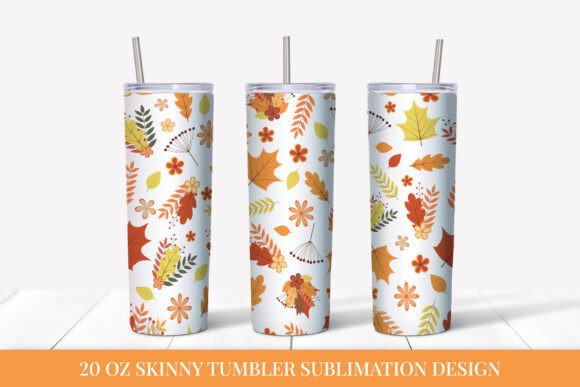
Opening Fall Tumbler Wrap Sublimation. Autumn feels like unrolling a crisp autumn afternoon—soft but intentional. It’s not overly busy, nor is it minimalist to the point of emptiness. The rectangular 9.3×8.2 inch layout suggests purpose: it’s built for vertical flow, not sprawl. As an embroidery designer who’s stitched hundreds of seasonal motifs—from overwrought pumpkins to underwhelming leaf clusters—I appreciate how this design balances organic shape with clean negative space. The leaves aren’t hyper-detailed botanical studies; they’re stylized, slightly overlapping, with gentle curves and open areas that breathe. That matters—because in machine embroidery, breathing room means fewer thread breaks, less puckering, and better stitch definition on real fabric.
Where It Shines: From Tote Bags to Tiny Baby Onesies
I tested Fall Tumbler Wrap Sublimation. Autumn as the centerpiece for a custom embroidered tote bag—cotton canvas, medium weight, with a light stabilizer backing. The result? Crisp edges, no distortion, and a warmth that reads instantly as “autumn,” not just “leafy.” It also translated beautifully onto a crewneck sweatshirt (midweight fleece), where the design’s moderate density kept the fabric soft and drape-friendly—not stiff or quilted. On a linen tea towel? Perfect. The open shapes let the fabric texture show through between stitches, adding handmade charm without sacrificing clarity.
For Etsy sellers and small shop owners: this is a quiet workhorse. It fits naturally on aprons, pillow covers, and even baby onesies (when scaled down thoughtfully). I resized it to 4.5 inches wide for a newborn swaddle blanket—it retained legibility and softness, avoiding the “too-cute” trap that can date holiday-themed baby embroidery. As a digital embroidery file, it’s versatile enough for both personal projects and commercial embroidery—ideal for craft fairs where customers want recognizable, seasonally resonant design assets without cliché.
Where to Pause—and Why
Not every surface welcomes Fall Tumbler Wrap Sublimation. Autumn equally. On stretchy knit fabric—like a lightweight t-shirt—it needs careful hooping and cutaway stabilizer. Without it, the gentle curves can distort under tension. On dark fabric, check your thread colors early: the original RGB palette doesn’t guarantee contrast, so test stitching in black and white mockups first. And avoid placing it near seams, curved hems, or tight corners on caps or structured bags—the design’s horizontal emphasis doesn’t wrap well around compound curves.
Also worth noting: while the PNG is high-res (300 DPI), it’s not an embroidery file out of the box. If you’re sourcing this as part of an Illustrations or Graphics collection, remember it will need digitizing before stitching. That means reviewing stitch density, satin stitch width, fill stitch angle, and running stitch underlay—especially where stems meet leaves. Dense fill areas could cause stiffness on thin fabrics like voile or rayon, so consider simplifying those zones if embroidering baby items or delicate apparel.
Real-World Impact: More Than Just Pretty Leaves
Customers notice intention. When I used Fall Tumbler Wrap Sublimation. Autumn on a set of personalized kitchen towels sold at a local boutique, buyers commented not just on the “cuteness,” but on how “thoughtful” and “grown-up” the design felt—no cartoonish exaggeration, no cluttered borders. That perception lifts perceived value. For craft businesses, that translates directly to pricing confidence and repeat orders. It also supports brand consistency: whether you’re selling embroidered patches, custom apparel, or printable mockups for digital product previews, this design carries a cohesive, seasonal voice without shouting.
And yes—it boosts giftability. A hand-stitched sweatshirt with this motif feels special, not generic. It reads as curated, not mass-produced. That builds trust: your customer believes you chose something meaningful, not just available.
Practical Designer Notes Before You Stitch
- Always test on scrap fabric first—especially with textured weaves or blends. What looks balanced on screen may shift subtly when stitched.
- Review thread color contrast on both light and dark backgrounds. Fall palettes often rely on burnt orange or olive—these can mute on charcoal or navy unless you adjust thread saturation.
- Confirm hoop size compatibility. At full size (9.3×8.2”), it fits standard 5×7” hoops only if scaled down—or requires a larger hoop. Don’t assume.
- Inspect small details like leaf tips and stem connections. These are where digitizing quality shows—or falters.
- Use appropriate stabilizer: tear-away for stable wovens, cutaway for knits or lightweight fabrics, and fusible for layered garments like reversible aprons.
- Check licensing before selling finished items. Since this is listed under Illustrations and Graphics—not pre-digitized embroidery files—verify usage rights for commercial embroidery and resale of physical products.
- Compare light/dark fabric mockups in grayscale. If the design loses hierarchy or impact in black and white, it may lack visual weight for embroidery.
A Design That Grows With Your Business
Fall Tumbler Wrap Sublimation. Autumn isn’t flashy—but it’s reliable. It works quietly across categories: as a standalone embroidered patch, a subtle accent on a denim jacket cuff, or the hero motif on a holiday gift set. For embroidery designers building a seasonal library, it’s a grounded anchor—not trend-chasing, but timeless-enough. For Etsy sellers launching fall collections, it’s a low-risk, high-recognition asset. And for makers who care about how their handmade product feels *in hand*, not just looks online, it delivers tactility and warmth without compromise.
In short: this is the kind of design you reach for when you want autumn to feel present—not performative. Thoughtful. Stitchable. True.